
Engineering / Antiques Inference Engine
Antiques Inference Engine, could this antique run AI?
Hand it a photo of an antique, and it works out with real physics whether the thing could power or run AI. The humor is decorative. The math is structural.
- Award Winner, multi-agent lane, and the crowd favorite
- Built in About six hours, on June 27, 2026
- Agents Five, with two custom agent skills
- Runs Fully local, with zero keys
Winner, multi-agent lane · The Open Accelerator · June 2026
The question
Could this antique run AI?
It is the least efficient question in history, and it comes from my book, 100 Ways to Power Artificial Intelligence. Hand the engine a photo of a pinwheel calculator, a deck of punched cards, a graphing calculator, or a candybar phone. It identifies the artifact and its real mechanism, decides whether the thing can produce power or compute, and calculates how long it would take to reach one “AI hello.”
The joke carries a serious design. The model that writes the prose never touches the arithmetic. It receives frozen math from a deterministic calculator, and only then is it allowed to be funny.
The four specimens
Four antiques, one question
Same question, same physics, every time. The verdicts run from never to ten minutes.
-
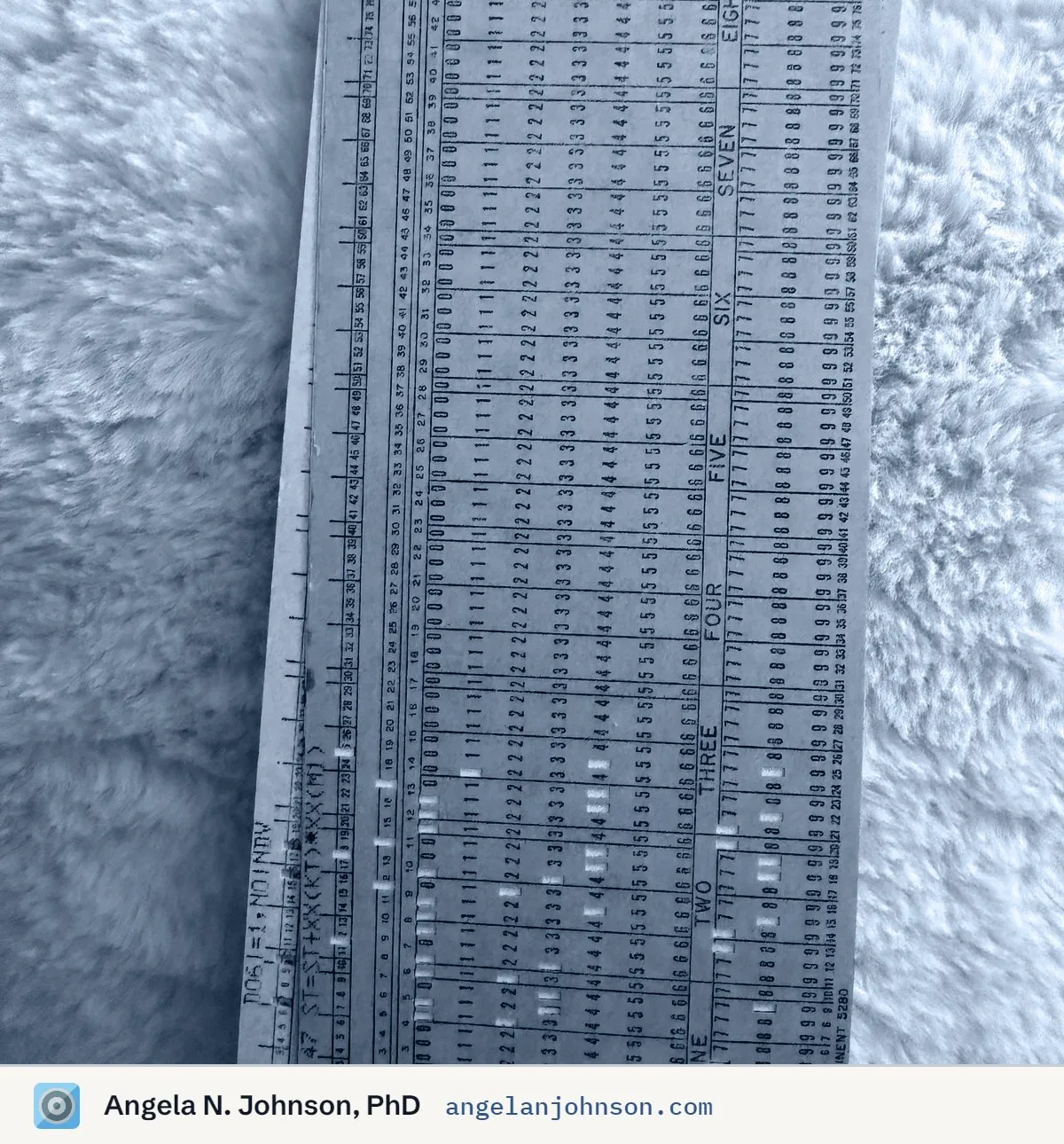
Punched cards
Never
Zero operations a second
-
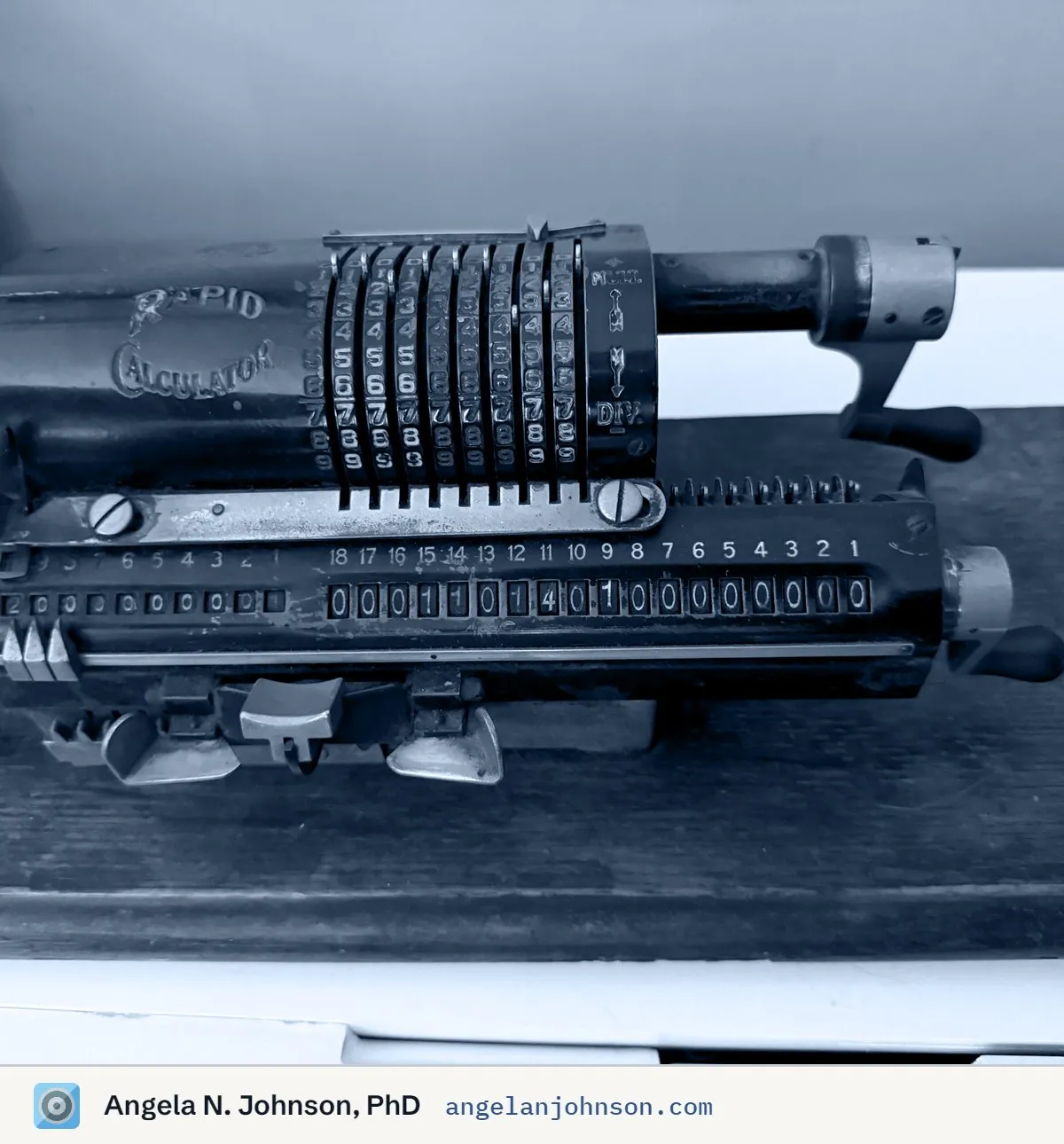
Pinwheel calculator
443 years
One operation a second
-
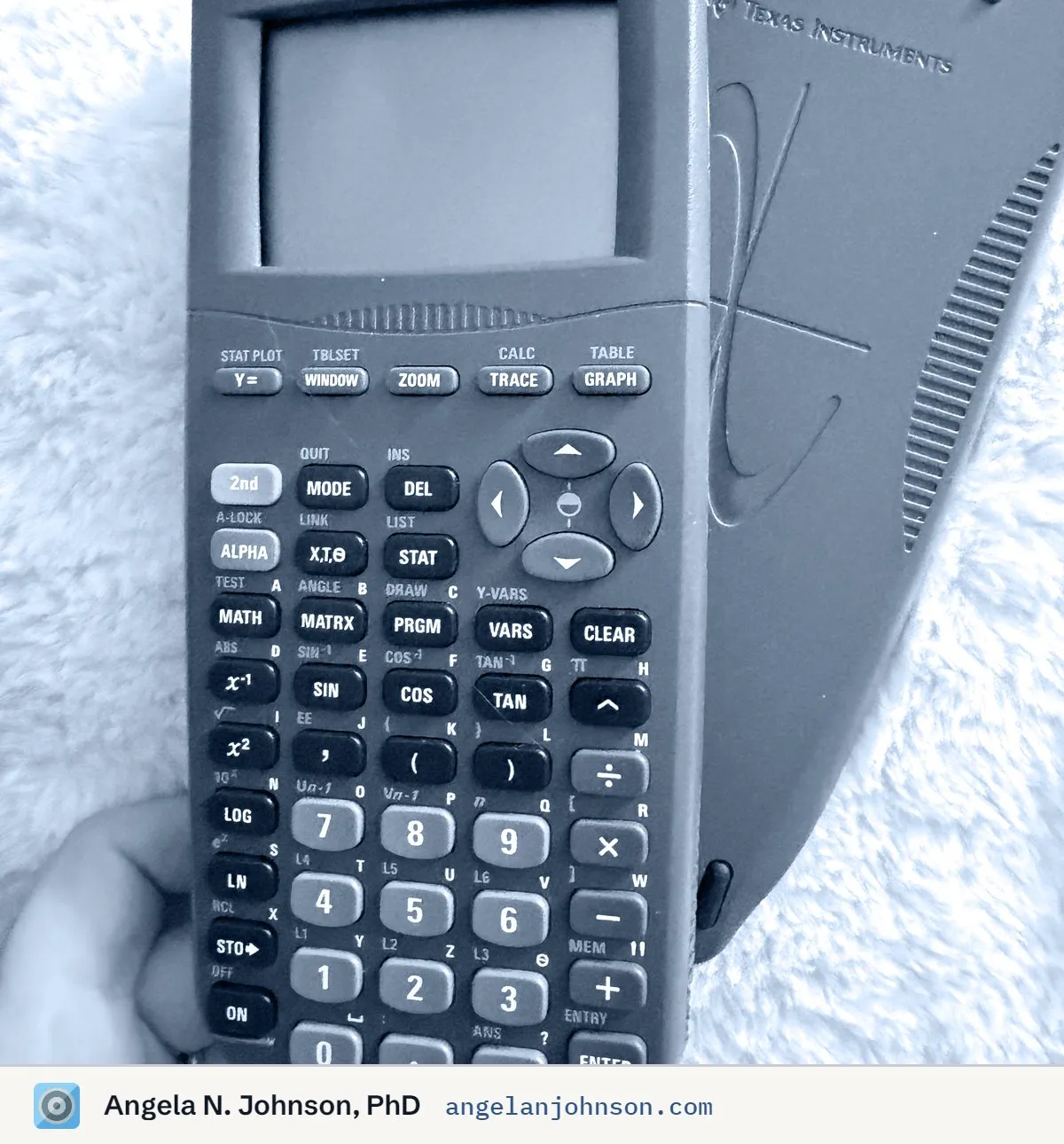
TI-82
6.5 hours
600,000 operations a second
-
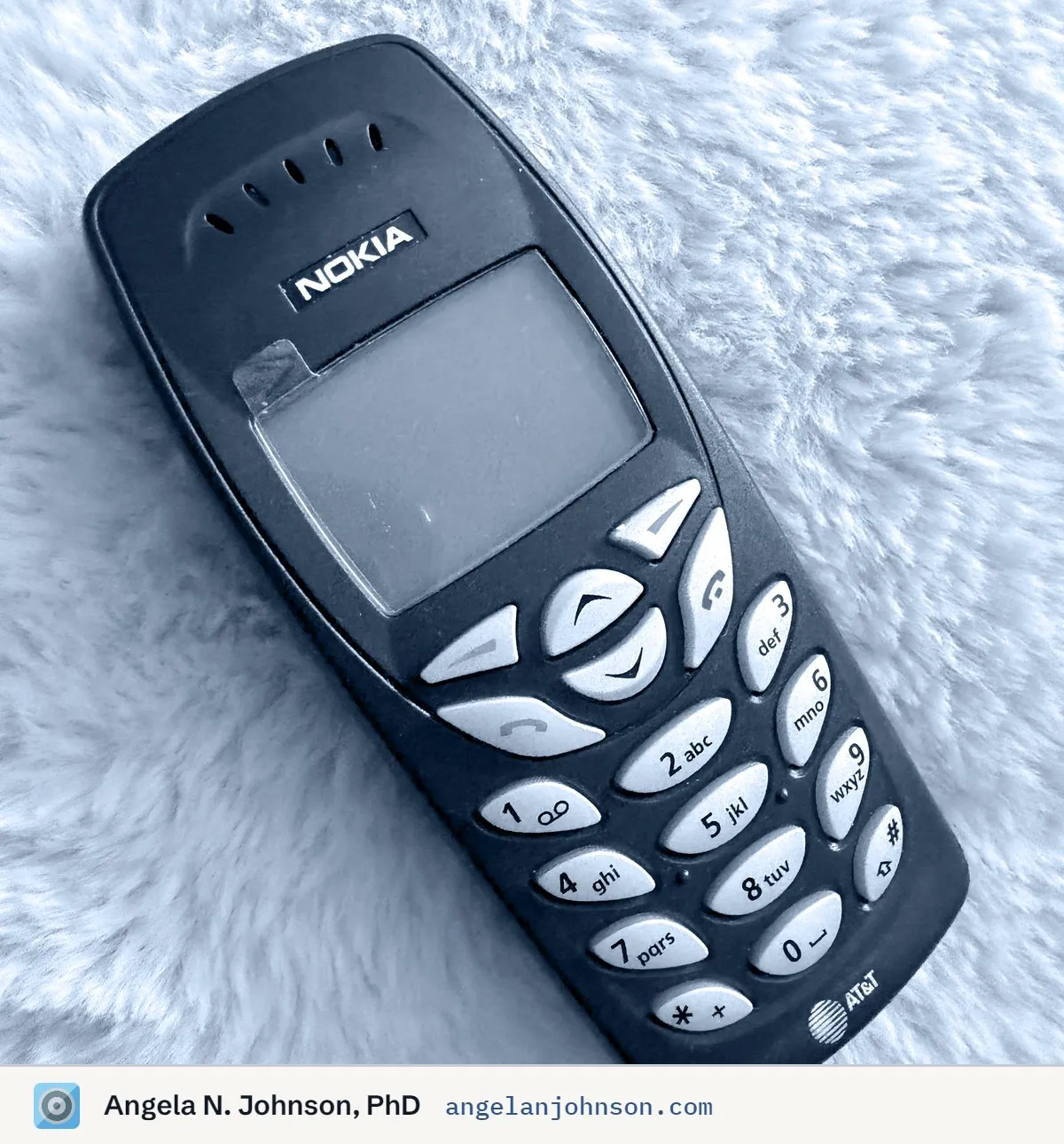
Nokia 3590
10 minutes
23 million operations a second
How it works
Five agents, and a loop that sends bad work back
- Artifact Goblin Sees the photo, separates what is visible from what is inferred, and guesses the path.
- Sherlock Ohms Researches the real mechanism and its numbers.
- Potato Accountant Classifies the path and calls the deterministic calculator. The math is frozen from here on.
- Reality Badger Verifies units and claims. On a failure it names the agent at fault, and the orchestrator sends the work back, in a loop capped at two passes.
- Page Goblin Writes the field-guide page from the frozen math. It can narrate the answer and never recalculates it.
The Badger fails a run when confidence in the artifact is too low, the math mode is wrong, or there is no usable assumption to compute from. The loop is recorded in a trace file for every run.
Model selection
Each part does the job it is good at
The physics is the part that has to be right, so the default profile uses no model in the correctness path.
-
Python calculates
The arithmetic is deterministic in both profiles. The default one runs offline with zero keys, on fixtures and Python alone.
-
A small local model researches and gives a second opinion
On the opt-in live profile, IBM Granite (granite4:micro) proposes the mechanism and the one physical assumption as constrained JSON, and adds a note to the check. The deterministic check still decides.
-
A frontier model sees and writes
Vision on a new photo and the final prose go to a cloud model. Those are the two places where one earns its keep.
What it shows
Does the skill earn its place?
Measured over all four fixtures, with the math skill and against a baseline without it. The assertions are checked by script and not judged by a model.
-
24 of 24
With the math skill
Every scripted assertion passes when the agents use the deterministic math skill. The math must match the calculator exactly, with a tolerance of zero.
-
0 of 4
Without it
A baseline with no skill, where a model guesses the math, misses the exact number on all four fixtures. That is the one assertion it is scored on. A model without the calculator confuses seconds with years.
-
14 billion
Operations behind one AI hello
The constants are frozen. One hello is 30 watts or 14 billion operations, one potato battery is 0.0001 watts, and one pedaling cyclist is 100.
-
Winner
The multi-agent lane, and the crowd favorite
The organizers’ recap records that the build reproduced its headline result end to end from a clean clone.
The limits
What the engine does not claim
- The default profile runs on four bundled fixtures. Live vision on your own photos is opt-in and needs a key.
- The evaluation covers those four fixtures. It was built inside the same six-hour window as the engine.
- The baseline without the skill uses a small local model when one is reachable, and a documented no-tool baseline otherwise.
- Each verdict rests on one stated physical assumption per antique. The calculator is exact about the arithmetic, and no more than that.
Run it
Check it yourself
It runs fully local with zero keys. The default profile is deterministic, so the demo cannot fail on venue Wi-Fi.
git clone https://github.com/Angiebio/jun2026-builder-sat
cd jun2026-builder-sat
uv sync
uv run python orchestrator.py pinwheel
The run writes runs/pinwheel/article.md and a trace.json that records the loop, the verdict, and which agent the work was sent back to.
Who made this
Built live at The Open Accelerator’s Agent Build Day in Boston on June 27, 2026, in a single window of about six hours. No other person worked on it. I supplied the voice, the antiques, the decisions, and the direction, and built it inside my own agent environment. The repository names each AI agent and what it did.
The humor is decorative. The math is structural.
More builds
Other work with a page of its own
- Build Registry Metric Lab Can one extra site change the enrollment total?
- Build Continuity Ledger Can a remembered instruction outlive its permission?
- Build Adapter Promotion Gate What must hold before a model change can serve?
- Build Stagnation Observatory When does useful work look stalled?
- Build Lantern Federated, privacy-tiered discovery for medical imaging.
- Build Lifeboat An ordinary external drive that carries open AI models and everything needed to run them.
- Build Off-Target A design change review of an AI-authored weight edit.
- Build Aurora Measures from brain science, run live on a persistent agent’s decision stream.
Get in touch
Speaking, teaching, board work, or coaching
I am glad to hear from conference organizers, journalists, students, and leaders who want a thinking partner.